The future of healthcare in Norfolk County: A new Campus of Care
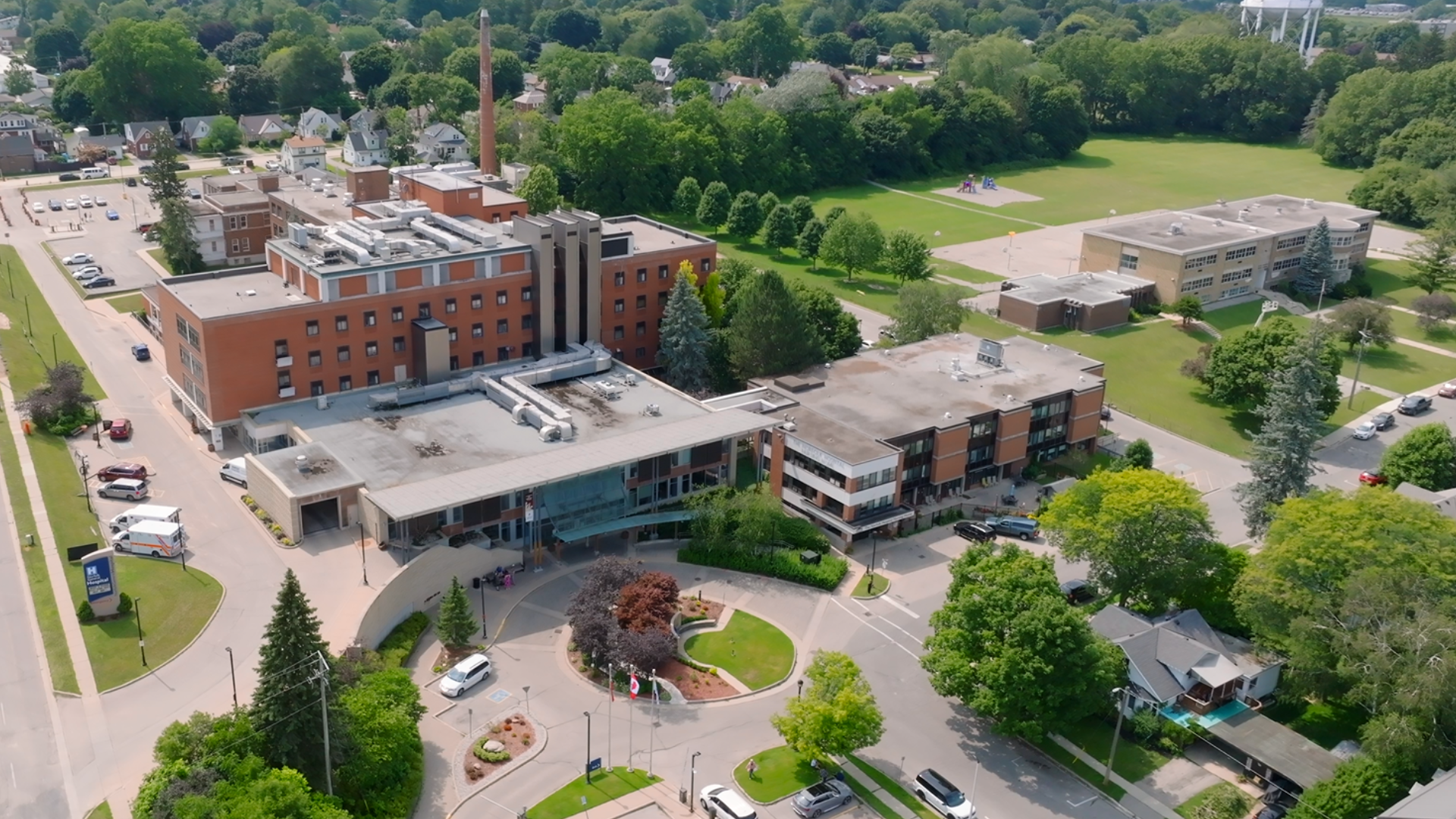
Shaping the Future of Healthcare in Norfolk County
Why this matters
Healthcare systems across Ontario are under increasing pressure as communities grow, populations age, and demand for services continues to rise. Norfolk County is experiencing these same trends.
Norfolk General Hospital (NGH) serves a community of approximately 64,000 residents, and the population across the Norfolk-Haldimand region continues to grow.
Population data shows that between 2016 and 2024, the number of residents aged 65 and older increased by more than 25 percent. This group is expected to grow by another 41 percent between 2024 and 2046. This demographic shift will increase demand for hospital care, long-term care, and services that support aging populations, and these trends are highlighted in our strategic planning work.
Norfolk General Hospital is now more than 100 years old, with the Norfolk Hospital Nursing Home (NHNH) having opened in 1975. Both facilities continue to provide excellent care for the community, however, they were designed for healthcare systems with needs that are very different from today. To effectively support the needs of our growing community, it is essential that we expand and modernize our facilities to keep pace with increasing population demands and evolving care requirements.
The challenge of redeveloping the current hospital property is its physical limitations. The hospital site, which is co-located to the nursing home, is landlocked and there is no room to expand buildings, improve traffic flow, or add additional parking. These constraints make it extremely difficult to significantly redevelop the current site while maintaining uninterrupted patient and resident care.
With this in mind, NGH and the NHNH have a significant opportunity to transform the future of healthcare in Norfolk County through the planning of a Campus of Care, with modern healthcare facilities that better support patients, residents, families, and healthcare professionals. Our goal is to ensure the community continues to have access to hospital and long-term care services locally as healthcare needs grow.
What is the Campus of Care?
The Campus of Care is a long-term vision to bring key healthcare services together on one integrated healthcare campus.
The concept includes:
- A new Norfolk General Hospital
- A new Norfolk Hospital Nursing Home
- A new Holmes House
- Space for other healthcare and community services that support patient care
Planning these facilities together allows healthcare services to be designed in a way that improves coordination of care and better supports patients, residents, families, and healthcare professionals.
Why have the organizations developed a vision for a Campus of Care?
The Campus of Care vision has been developed to ensure Norfolk County has the healthcare infrastructure needed to meet future demand while continuing to provide care close to home.
Healthcare needs are growing and becoming more complex. Modern healthcare facilities also require more space, better design, greater operational efficiency, and stronger integration between services.
Planning a hospital and long-term care home together creates long-term benefits for patients, residents, families, healthcare professionals, and the broader community.
For generations, our hospital and co-located long-term care home have been at the heart of this community’s care. The hospital has served patients for over 100 years—evolving through multiple renovations—while our long-term care home has provided compassionate support since opening its doors in 1975.
Today, however, we are at a pivotal moment.
Both facilities are aging, and while they have been maintained with care, they were not designed to meet modern standards for healthcare delivery, patient flow, infection prevention, accessibility, or resident experience. At the same time, the needs of our community have grown significantly in both complexity and volume.
Equally important, our current site is fully constrained. We are landlocked, with no opportunity to expand. The size and scope of the modern hospital and long-term care home required to meet today’s standards—and tomorrow’s demand—simply cannot be accommodated on our existing footprint.
For these reasons, we have developed a bold and forward-looking vision: a new Campus of Care on a greenfield site.
This vision is not simply about replacing buildings—it is about transforming how care is delivered in our community for generations to come.
Why is a greenfield site being considered?
A greenfield site is undeveloped land where facilities can be designed and built from the ground up.
This approach allows planners to:
- Design modern healthcare facilities
- Build without disrupting current patient care
- Plan traffic flow and emergency access more effectively
- Create room for future healthcare growth and expansion
A greenfield development is being pursued because it represents the only viable and responsible way to meet the current and future healthcare needs of our community.
Our existing hospital and long-term care home sites are fully constrained. We are landlocked, with no ability to expand in a meaningful way. The size, scale, and modern design requirements of a new hospital and long-term care home simply cannot be accommodated on the current site.
Building on a new site also allows us to avoid the significant disruption that would come with trying to redevelop while continuing to operate on our current campus—ensuring continuity of care for patients and residents.
A greenfield approach also enables greater efficiency and value. Designing and constructing new facilities from the ground up is more cost-effective in the long term than attempting to retrofit aging infrastructure that was never intended to support modern models of care.
Ultimately, this is about more than location, it is about creating a future-ready healthcare campus that delivers better access, better experiences, and better outcomes for our community.
Future of Healthcare in Norfolk County: Questions and Answers
Both Norfolk General Hospital and the Norfolk Hospital Nursing Home have served the community for many years.
However, the buildings were designed for a different era of care.
Norfolk General Hospital was not designed to support the volume and complexity of services required today.
There is also a growing need for additional long-term care beds in the region.
Modern healthcare and long-term care environments must support:
• Improved infection prevention and control
• Greater privacy and dignity
• Modern equipment and technology
• Increased capacity
• Improved accessibility
• More efficient clinical layouts
• New services and expanded services
• Better experiences for patients, residents, families, and staff
Planning new facilities helps ensure care can continue to be delivered in buildings designed for modern standards and future demand.
Healthcare standards and best practices have evolved considerably. Today, there is a clear need for environments that support stronger infection prevention and control (IPAC), including more private rooms, improved ventilation systems, and layouts that reduce the risk of transmission. Our current buildings were not designed with these standards in mind.
There is also an increasing expectation for privacy and dignity. Modern care environments emphasize single patient and resident rooms, appropriate space for family presence, and settings that support comfort and healing - features that are difficult to achieve within the constraints of our existing infrastructure.
Accessibility is another critical consideration. New facilities would ensure full compliance with current accessibility standards, making it easier for patients, residents, families, and staff to navigate and use the space safely and comfortably.
From a clinical perspective, more efficient layouts and improved patient flow are essential. Our current buildings—having evolved through multiple renovations over many years - can be fragmented and inefficient. This can impact how quickly patients move through the system, how care teams collaborate, and ultimately, the overall experience of care.
Equally important is the experience of patients, residents, and families. Modern facilities are designed to be welcoming, intuitive, and supportive, recognizing the important role that environment plays in healing, recovery, and quality of life.
Finally, our existing buildings are aging and increasingly challenged by physical limitations including infrastructure constraints, maintenance demands, and design features that no longer align with contemporary care models. Continued investment in these buildings yields diminishing returns and does not address the fundamental limitations of their design.
New hospital and long-term care facilities are not simply an upgrade; they are essential to delivering safe, high-quality, accessible, and patient-centered care now and into the future.
This question has been carefully examined.
The issue is not simply whether renovation is possible. The key question is whether renovation would provide the healthcare infrastructure needed for the future.
Norfolk General Hospital is more than 100 years old, and the Norfolk Hospital Nursing Home opened in 1975. Bringing these facilities up to modern standards would require extensive upgrades to meet building codes, infection prevention standards, and accessibility requirements under the Accessibility for Ontarians with Disabilities Act.
Renovating while the hospital remains open would also create significant disruption to patient care. Hospitals must remain fully operational at all times. Renovations would need to occur in phases over many years, with services temporarily relocated during construction.
Another major challenge is the physical limitation of the current hospital property.
The site is landlocked, which leaves very little room to expand buildings, improve traffic flow, or add parking.
For the Norfolk Hospital Nursing Home, renovating the current building is untenable.
Renovation would require relocating all residents during construction, a process often referred to in long-term care as “decanting.”
Residents could need to live in other homes for up to two years while construction takes place. For many residents, especially those living with complex medical conditions or dementia, this type of move can be stressful and disruptive.
For residents, the nursing home is not simply a facility. It is their home. Stability, familiarity, and continuity of relationships with caregivers are essential to their wellbeing.
Building a new home on a greenfield site avoids that disruption. Residents would be able to remain in their current home until the new facility is complete and would then move once into a modern home designed to meet current long-term care standards.
For these reasons, building new facilities is being explored as a more effective long-term solution.
Importantly, investing heavily to renovate aging, tired buildings with inherent physical deficiencies is not the best use of resources. In many cases, the cost of extensive renovation—particularly when factoring in phasing, temporary relocations, and risk contingencies—can approach or even exceed the cost of building new, while still resulting in a compromised outcome.
In contrast, building new on a greenfield site allows us to design from the ground up, ensuring that every aspect of the environment supports safe, efficient, and patient-centered care—now and for generations to come.
For these reasons, while renovation may seem appealing at first glance, it would not provide the sustainable, future-ready solution that our patients, residents, and community deserve.
Modern healthcare campuses require more space than older facilities.
The new home will increase from 52 occupied beds to 160 beds and will therefore require significantly more space.
An important element of the new long-term care home will also be enhanced outdoor space for residents. The design is expected to include landscaped gardens, accessible walking paths, and secure courtyards where residents can safely spend time outdoors with family members.
For many residents, access to safe outdoor space can support wellbeing, gentle physical activity, and familiar daily routines. These spaces can also create welcoming environments where families can spend meaningful time with their loved ones.
A site of 30 acres or more would support:
• A new hospital
• A new long-term care home
• Parking for patients, residents, visitors, and staff
• Ambulance and emergency access routes
• Service areas and delivery access
• Outdoor space and healing environments
• Room for future healthcare services
• Ability for future expansion
Planning for a larger site helps ensure the campus can support healthcare services for many decades.
Healthcare delivery has changed significantly over the past several decades.
Modern hospitals require space for:
• Advanced diagnostic imaging and technology
• Modern surgical services
• Improved infection prevention design
• Larger patient care areas
• Better support spaces for patients, families, and healthcare teams
Planning for a larger hospital helps ensure services can meet the needs of a growing and aging population.
Over time, we have seen a steady increase in patient volumes, greater complexity of care, and rising demand for services. Our current facility is operating at or near capacity in many areas, which can impact patient flow, wait times, and overall experience.
Modern hospitals also require more space per patient than in the past. This reflects important advances in care, including:
• Private rooms to support infection prevention and control, privacy, and dignity
• Larger clinical areas to accommodate advanced technology and multidisciplinary care teams
• Dedicated spaces for ambulatory care, diagnostics, and specialized services
• Increased capacity for patient care demands
In our existing building—developed over many decades through multiple renovations—space is often fragmented and inefficient. Departments may be spread out, adjacencies are not always optimal, and there is limited flexibility to adapt to changing models of care.
Additional space would allow us to:
• Improve patient flow and reduce congestion in key areas such as emergency and diagnostics
• Enhance care delivery through better-designed clinical layouts
• Expand services locally, reducing the need for patients to travel outside the community
• Create a better environment for patients, families, and staff
Ultimately, more space is not about being bigger for its own sake, it is about ensuring we have the right space, in the right configuration, to deliver safe, efficient, and high-quality care both today and into the future.
Long-term care standards have changed significantly since 1975.
The NHNH is planning for a new 160-bed long-term care home, which will replace the current 52-bed Norfolk Hospital Nursing Home. The NHNH is currently 30,000 square feet. It is anticipated the new home may tip over 100,000 square feet.
Modern long-term care homes are designed to support:
• Safer living environments
• Improved infection prevention
• Home-like resident spaces and additional enhancements
• Improved visiting areas for families and friends
• Specialized care for residents with complex health needs
The need for additional long-term care capacity is being driven by a clear and growing reality—our population is aging rapidly.
Across Ontario, and particularly within Norfolk County, we are seeing a significant increase in the number of seniors requiring care. This demographic shift, often referred to as the “silver tsunami”, is placing unprecedented pressure on long-term care services.
At the same time, there is a well-documented shortage of long-term care beds. Waitlists remain long, and many individuals are unable to access appropriate care in a timely manner. Too often, this results in seniors remaining in hospital beds while waiting for long-term care placement, which is not the best environment for their needs and contributes to broader system pressures.
Our current long-term care home, built in 1975, was designed for a different era of care.
Residents today are older, have more complex medical needs, and require more space to support mobility, equipment, infection prevention, and quality of life.
Expanding long-term care capacity is not optional—it is essential. It ensures that our seniors can receive the right care, in the right setting, at the right time, close to home.
This is about responding responsibly to the demographic realities of today and preparing for the needs of tomorrow.
NHNH has been a trusted part of the community since 1975 and continues to provide compassionate, resident-centred care every day.
The hospital and nursing home have been working with several landowners who have stepped forward to support healthcare in our community. This support has been both humbling and inspiring, and we are grateful for the thoughtful conversations that have taken place over the past two years.
In parallel, the organizations have undertaken a thorough and deliberate process to identify suitable land, including extensive discussions with the County of Norfolk and a careful evaluation of multiple potential sites against key planning, accessibility, and long-term growth criteria.
The NGH and NHNH Boards have recently made the decision to move ahead with one parcel of land based on a number of contributing factors.
Once the necessary legal processes have been completed, a communication will be issued to share further information with the community.
Planning efforts remain focused on ensuring the site supports the requirements of a modern healthcare campus and due diligence continues to ensure that there are no obstacles to the site meeting the needs.
Important considerations include:
• Access to major roads
• Land suitable for development
• Enough space for the full healthcare campus
• The ability to support future expansion
• A setting that supports a welcoming and healing environment
• Arterial/County Road
• Land suitability (relatively flat, no significant environmental constraints)
• Aesthetic appeal (includes viewscapes, tranquility, etc.)
• Green space and other natural features the site has that may enhance patient, resident, and staff experience
• Ease of access of EMS
Yes.
The Campus of Care concept creates the opportunity to bring additional healthcare services together in one location.
Bringing services together can improve coordination of care and make it easier for patients and families to access the services they need.
Co-locating services could create a more seamless and coordinated care experience. The Campus of Care vision also provides flexibility to adapt, allowing additional services to be added as the needs of the community evolve.
Norfolk General Hospital has developed a Master Plan to guide the future redevelopment of healthcare infrastructure in the community.
This work will inform a pre-capital submission to the Ministry of Health, which is the first step in Ontario’s hospital capital planning process.
Major hospital redevelopment projects move through several stages of planning, approval, design, and construction. This is a long-term process.
The NHNH continues to collaborate with the Ministry of Long-Term Care. It is hoped that activity/construction for a new NHNH will begin within the next 12 months.
The Campus of Care vision is about planning responsibly for the future of healthcare in Norfolk County.
This planning work helps ensure residents will continue to have access to high-quality healthcare close to home for generations.
In addition to strengthening healthcare services, the project of this magnitude will also create broader economic benefits for the community.
During construction, the projects will generate demand for skilled trades and local services. Contractors, electricians, plumbers, carpenters, and many other trades will be engaged throughout the build. Local businesses may also see increased activity through the supply of materials, equipment, accommodations, food services, and transportation.
Once completed, the new facilities will support long-term employment through expanded healthcare services and modernized care environments. Modern healthcare infrastructure can also help communities recruit and retain healthcare professionals.
In this way, the Campus of Care will not only strengthen healthcare services for our community but will also support jobs, local businesses, and long-term growth.
It is expected that residents will be living in the new Norfolk Hospital Nursing Home within the next 2+ years. It typically takes 8-10 years for a new hospital to be approved so it will be some time yet before there is construction for a new Norfolk General Hospital.
Plans for the use of the existing sites will only occur after approvals are secured for the redevelopment of the nursing home and for the hospital on the Campus of Care.